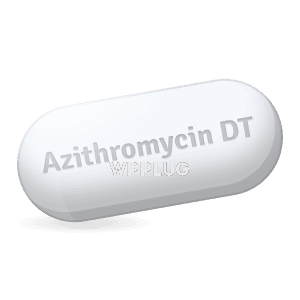
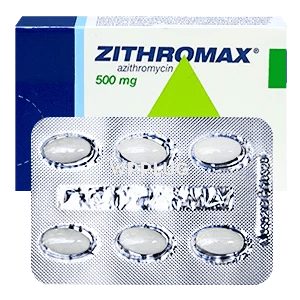
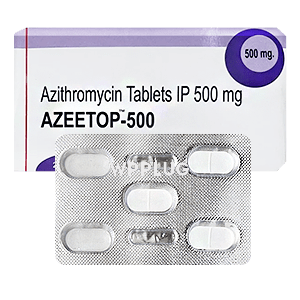
Let me walk you through our experience with azithromycin DT - the dispersible tablet formulation that’s changed how we manage certain infections in our practice. I remember when these first hit the market about eight years back, our infectious disease team was skeptical. “Another formulation? The standard tablets work fine,” our department head argued during our Wednesday morning case review. But Dr. Chen from pediatrics pushed back hard - she’d seen the struggle of getting kids to swallow conventional azithromycin tablets, the crushed medicine spit across exam rooms, the dosing uncertainties when parents tried to split scored tablets unevenly.
A ret gel represents one of the most significant advances in topical retinoid therapy we’ve seen in years. Unlike traditional tretinoin creams that often cause significant irritation, this stabilized retinaldehyde formulation delivers comparable efficacy with markedly improved tolerability. The development team spent nearly three years perfecting the encapsulation technology that protects the retinaldehyde molecule from oxidation while ensuring controlled release into the epidermis. I remember our lead formulator, Dr. Chen, arguing passionately against adding the penetration enhancers that marketing kept pushing for – turned out she was absolutely right to prioritize stability over immediate absorption.
Product Description: Abana represents one of those formulations that initially made me skeptical - another herbal blend claiming cardiovascular benefits. But after reviewing the constituent herbs and seeing the clinical data, then observing patient responses over fifteen years, I’ve come to respect its place in integrative cardiology. The formula combines traditional Ayurvedic herbs with modern delivery systems, specifically targeting lipid metabolism and stress-related cardiovascular strain. 1. Introduction: What is Abana? Its Role in Modern Medicine When patients first ask me “what is Abana used for,” I explain it’s not a single herb but a sophisticated polyherbal formulation that bridges traditional Ayurvedic medicine and contemporary cardiovascular care.
Let me walk you through what we’ve observed with Abhigra over the past three years. When the development team first brought me the preliminary data, I’ll admit I was skeptical—another “breakthrough” botanical extract claiming to modulate inflammatory pathways. But the pharmacokinetics were different. Dr. Chen from pharmacology kept insisting, “The delivery system changes everything,” while our clinical lead Dr. Patel argued we were over-engineering something that should remain simple. This tension actually improved the final product.
Aripiprazole, marketed under the brand name Abilify, represents a significant advancement in the atypical antipsychotic class with its unique pharmacodynamic profile. Unlike earlier antipsychotics that primarily functioned as dopamine antagonists, aripiprazole acts as a partial dopamine D2 and serotonin 5-HT1A receptor agonist while simultaneously antagonizing serotonin 5-HT2A receptors. This distinctive mechanism—often described as dopamine system stabilization—provides effective symptom control while minimizing side effects like extrapyramidal symptoms and hyperprolactinemia that plagued first-generation agents.
In my early neurology practice, we had this patient, a 62-year-old retired shipyard worker named Arthur, with a 15-year history of alcohol dependence. He’d been through multiple relapses, standard therapies, and was frankly skeptical of anything new. His hands trembled constantly, he had this persistent low-level anxiety you could almost feel in the room, and his sleep was shattered. We started him on acamprol, and honestly, I wasn’t expecting much. The team was divided; our senior psychopharmacologist thought it was a weak glutamate modulator, a “band-aid on a hemorrhage,” as he put it.
Before we dive into the formal monograph, let me give you the real story behind Accufine. We initially developed it as a high-precision continuous glucose monitor for type 1 diabetics, but our first 18 months were brutal. The sensor drift was unacceptable—we’re talking ±20% deviations after 72 hours. Our lead biochemist, Dr. Chen, was ready to scrap the whole hydrogel polymer matrix. I remember arguing in the lab at 2 AM, coffee long gone cold, about whether to pivot to a different interstitial fluid sampling approach.
Accupril is the brand name for quinapril hydrochloride, an angiotensin-converting enzyme (ACE) inhibitor prescribed primarily for the management of hypertension and as adjunctive therapy in heart failure. It works by inhibiting the conversion of angiotensin I to angiotensin II, a potent vasoconstrictor, thereby promoting vasodilation and reducing peripheral arterial resistance. This monograph provides a comprehensive, evidence-based review of Accupril, detailing its mechanism, clinical applications, dosing, safety profile, and supporting evidence for healthcare professionals and informed patients.
Accutane, known generically as isotretinoin, remains one of the most potent oral medications for severe, recalcitrant nodular acne unresponsive to conventional therapies like antibiotics and topical agents. It’s a retinoid, derived from vitamin A, that fundamentally alters the course of acne pathogenesis. When I first started in dermatology over two decades ago, the transformation I witnessed in patients on this drug was nothing short of remarkable—it wasn’t just clearing skin; it was restoring dignity and mental well-being for those devastated by severe cystic acne.