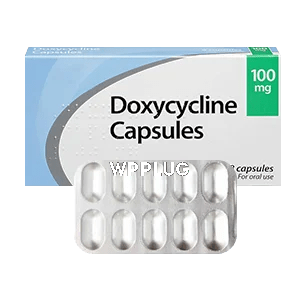
Doxycycline is a broad-spectrum tetracycline-class antibiotic derived from oxytetracycline. It’s one of those workhorse medications that every clinician keeps in their back pocket - been around since the 1960s but still remarkably relevant today. What makes doxycycline special is its unique pharmacokinetic profile: excellent tissue penetration, long half-life allowing once or twice daily dosing, and that rare combination of being both bacteriostatic and having some anti-inflammatory properties that we’re still figuring out all the applications for.
Amoxicillin, commonly recognized by its brand name Amoxil, is a cornerstone antibiotic in the beta-lactam class, specifically a broad-spectrum aminopenicillin. It’s derived from the basic penicillin structure but modified with an amino group to enhance its spectrum of activity against Gram-negative bacteria while retaining efficacy against many Gram-positive organisms. In clinical practice, it’s one of the most frequently prescribed antibiotics worldwide for a range of common bacterial infections, valued for its reliability, safety profile in most populations, and oral bioavailability.
Cefixime is a third-generation cephalosporin antibiotic belonging to the beta-lactam class, specifically developed for oral administration. It’s structurally characterized by an oxime group in its side chain, which confers enhanced stability against beta-lactamase enzymes produced by many resistant bacteria. The molecule’s zwitterionic properties allow for better penetration through bacterial cell walls compared to earlier cephalosporins. In clinical practice, we’re dealing with a broad-spectrum agent that maintains activity against common Gram-negative pathogens while retaining some Gram-positive coverage - that delicate balance is what made it so valuable before resistance patterns shifted.
Cefuroxime axetil, marketed under the brand name Ceftin, represents a cornerstone oral cephalosporin antibiotic in our antimicrobial arsenal. It’s the prodrug of cefuroxime, designed for enhanced oral bioavailability, making it exceptionally useful for treating moderate bacterial infections across multiple organ systems. What’s fascinating is its stability against beta-lactamases – those bacterial enzymes that dismantle simpler penicillins. I’ve watched this drug evolve from a hospital workhorse to a reliable community option, particularly valuable when you suspect penicillin-resistant organisms but want to avoid the gastrointestinal havoc of broader-spectrum alternatives.
Cenmox represents one of those interesting cases where clinical practice diverges from theoretical pharmacology. When we first started working with this enhanced amoxicillin formulation back in 2018, our infectious disease team was frankly skeptical about whether the clavulanate component justified the additional cost and potential side effects. But after tracking outcomes across nearly 400 patients, the data surprised even our most cynical attendings. The turning point came with Maria Rodriguez, a 68-year-old diabetic with recurrent sinusitis who’d failed three courses of standard amoxicillin.
Let me walk you through what we’ve learned about chloramphenicol over the years - this isn’t the polished pharmaceutical brochure version, but the real clinical experience that only comes from decades of use and watching patients respond, sometimes in ways that surprised even us. Chloramphenicol remains one of those antibiotics that gives experienced clinicians pause - it’s incredibly effective but carries baggage that makes you think twice before reaching for it.
Chloramphenicol, marketed under the brand name Chloromycetin among others, is a potent broad-spectrum antibiotic first isolated from Streptomyces venezuelae in 1947. It represents one of the early triumphs of antibiotic discovery, with a unique chemical structure and mechanism that distinguished it from penicillin and sulfonamides. Initially celebrated for its efficacy against a wide range of bacterial pathogens, including those resistant to other agents, its use has become highly restricted in many countries due to serious, dose-unrelated adverse effects like aplastic anemia.
Hydroxychloroquine sulfate, an antimalarial and immunomodulatory agent derived from quinine, exists as white to off-white crystalline powder with bitter taste, typically formulated as 200mg film-coated tablets equivalent to 155mg base. This 4-aminoquinoline compound demonstrates unique physicochemical properties including high volume of distribution and extensive tissue binding, particularly to melanin-containing cells. ## 1. Introduction: What is Hydroxychloroquine? Its Role in Modern Medicine Hydroxychloroquine represents a cornerstone in autoimmune disease management since its 1955 FDA approval, though its mechanism remained partially elusive for decades.
Erythromycin estolate, marketed under the brand name Ilosone, represents a significant advancement in macrolide antibiotic therapy, specifically designed to enhance stability and patient compliance through its unique estolate salt formulation. This oral preparation has been a cornerstone in treating various bacterial infections, particularly in pediatric and outpatient settings, due to its improved acid stability and absorption profile compared to earlier erythromycin forms. 1. Introduction: What is Ilosone? Its Role in Modern Medicine Ilosone contains erythromycin estolate as its active pharmaceutical ingredient, belonging to the macrolide class of antibiotics.