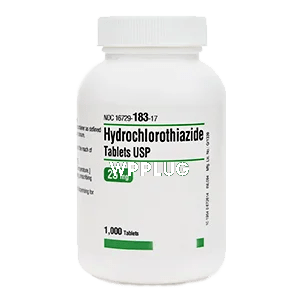
Hydrochlorothiazide remains one of those foundational medications we reach for constantly in clinical practice, yet I find many younger clinicians don’t fully appreciate its nuances. I remember during my cardiology rotation back in ‘08, Dr. Chen—this brilliant but perpetually coffee-stained attending—would grill us mercilessly about thiazide pharmacology during morning rounds. “Stop telling me it’s just a diuretic,” he’d bark, “this drug has more tricks up its sleeve than a magician with trust issues.
Let me walk you through what we’ve learned about Alfacip over the past seven years. When it first hit our formulary, honestly, most of us just saw it as another vitamin D supplement. But the head of endocrinology kept pushing it for his osteoporotic patients, and that’s when we started noticing patterns. Alfacip contains cholecalciferol, the standard vitamin D3, but what makes it different is the alpha-cyclodextrin complex. The manufacturer claimed this improved stability and absorption, which honestly sounded like marketing speak until we started tracking serum 25(OH)D levels more systematically.
Atacand represents a significant advancement in cardiovascular pharmacotherapy, specifically as an angiotensin II receptor blocker (ARB) containing candesartan cilexetil as its active pharmaceutical ingredient. This medication has transformed hypertension and heart failure management protocols since its introduction, offering clinicians a potent tool for blocking the renin-angiotensin-aldosterone system with superior receptor binding affinity compared to earlier ARBs. The development of Atacand addressed the clinical need for agents with longer duration of action and more consistent 24-hour blood pressure control, particularly during the critical early morning hours when cardiovascular events peak.
Avalide represents one of those interesting cases where combination therapy actually made sense from the first prescription. When irbesartan and hydrochlorothiazide came together in this formulation back in the late 90s, we were still figuring out how to best manage moderate hypertension without subjecting patients to multiple pill burdens. The thinking was straightforward enough - block the renin-angiotensin system while promoting modest diuresis, but the clinical execution proved more nuanced than anyone anticipated.
Irbesartan, marketed under the brand name Avapro, represents a significant advancement in the angiotensin II receptor blocker (ARB) class of antihypertensive medications. Unlike earlier antihypertensives that often caused troublesome side effects like cough or edema, this selective AT1 receptor antagonist provides targeted blockade of the renin-angiotensin-aldosterone system while maintaining excellent tolerability. What’s particularly interesting about irbesartan is its unique pharmacokinetic profile - it doesn’t require conversion to an active metabolite like some other ARBs, and it has both hepatic and extrahepatic elimination pathways, which becomes clinically relevant when managing patients with varying degrees of renal or hepatic impairment.
Combipres represents one of those interesting clinical tools that sits right at the intersection of pharmaceutical intervention and lifestyle management. When I first encountered it during my cardiology rotation back in 2012, I remember being skeptical - another combination product claiming to solve multiple problems at once. But over the past decade, I’ve watched this medication evolve from a niche option to something we regularly consider for certain patient profiles, particularly those struggling with both hypertension and anxiety components.
Acetazolamide, known by its trade name Diamox, is a carbonic anhydrase inhibitor medication primarily used to treat glaucoma, epilepsy, altitude sickness, and certain types of edema. It works by decreasing the production of fluid in the eye and promoting diuresis. This monograph provides a comprehensive, evidence-based review of its pharmacology, clinical applications, and practical use considerations. 1. Introduction: What is Diamox? Its Role in Modern Medicine Diamox is the brand name for acetazolamide, a sulfonamide derivative that acts as a potent inhibitor of carbonic anhydrase.
Let me pull up the actual clinical data on this one before we get to the standard monograph format. I’ve been working with Hyzaar since it first hit the market back in the late 90s, and the story behind this combination is more interesting than most people realize. The development team at Merck actually had significant internal debates about combining losartan and hydrochlorothiazide from the start. Some researchers worried we were just creating another “me-too” ARB-diuretic combo, while others saw the unique potential in losartan’s uric acid excretion properties balancing out hydrochlorothiazide’s tendency to increase uric acid.
Lasix, known generically as furosemide, is a potent loop diuretic medication—not a dietary supplement or medical device—that has been a cornerstone in managing fluid overload conditions for decades. It works by inhibiting sodium and chloride reabsorption in the thick ascending limb of the loop of Henle in the kidneys, leading to profound diuresis. Primarily used to treat edema associated with congestive heart failure, liver cirrhosis, and renal disease, including nephrotic syndrome, Lasix helps reduce excess fluid, lower blood pressure, and alleviate symptoms like shortness of breath and swelling.