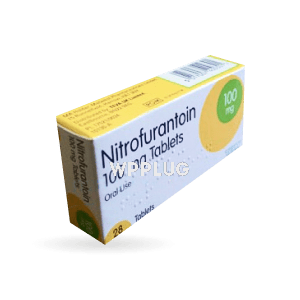
| Product dosage: 100mg | |||
|---|---|---|---|
| Package (num) | Per pill | Price | Buy |
| 100 | $0.69 | $69.32 (0%) | 🛒 Add to cart |
| 200 | $0.59 | $138.64 $117.55 (15%) | 🛒 Add to cart |
| 300 | $0.55 | $207.97 $164.77 (21%) | 🛒 Add to cart |
| 400 | $0.53 | $277.29 $210.98 (24%) | 🛒 Add to cart |
| 500 | $0.52
Best per pill | $346.61 $258.20 (26%) | 🛒 Add to cart |
| 600 | $0.52 | $415.93 $310.44 (25%) | 🛒 Add to cart |
| Product dosage: 50mg | |||
|---|---|---|---|
| Package (num) | Per pill | Price | Buy |
| 100 | $0.58 | $58.27 (0%) | 🛒 Add to cart |
| 200 | $0.49 | $116.54 $97.45 (16%) | 🛒 Add to cart |
| 300 | $0.46 | $174.81 $137.64 (21%) | 🛒 Add to cart |
| 400 | $0.45 | $233.08 $178.83 (23%) | 🛒 Add to cart |
| 500 | $0.44 | $291.35 $219.02 (25%) | 🛒 Add to cart |
| 600 | $0.43
Best per pill | $349.62 $256.19 (27%) | 🛒 Add to cart |
Synonyms
| |||
More info:
Nitrofurantoin: Targeted Urinary Tract Infection Treatment - Evidence-Based Review
Nitrofurantoin, an antimicrobial agent from the nitrofuran class, has been a cornerstone in managing uncomplicated urinary tract infections since the 1950s. It’s fascinating how this synthetic compound maintains relevance despite newer antibiotics emerging. The drug specifically targets the urinary tract with minimal systemic absorption, making it ideal for localized infections while preserving gut flora better than broad-spectrum alternatives. 1. Introduction: What is Nitrofurantoin? Its Role in Modern Medicine Nitrofurantoin represents a synthetic antibacterial medication specifically engineered for urinary tract infections.
Amoxil: Effective Bacterial Infection Treatment - Evidence-Based Review
Amoxicillin, commonly recognized by its brand name Amoxil, is a cornerstone antibiotic in the beta-lactam class, specifically a broad-spectrum aminopenicillin. It’s derived from the basic penicillin structure but modified with an amino group to enhance its spectrum of activity against Gram-negative bacteria while retaining efficacy against many Gram-positive organisms. In clinical practice, it’s one of the most frequently prescribed antibiotics worldwide for a range of common bacterial infections, valued for its reliability, safety profile in most populations, and oral bioavailability.
Ampicillin: Effective Bacterial Infection Treatment - Evidence-Based Review
Ampicillin is a broad-spectrum aminopenicillin antibiotic derived from the basic penicillin nucleus. It works by inhibiting bacterial cell wall synthesis, making it bactericidal against susceptible organisms. What’s interesting about ampicillin is its unique ability to penetrate gram-negative bacteria better than earlier penicillins while maintaining activity against many gram-positive organisms. We’ve been using this workhorse antibiotic since the 1960s, and despite newer alternatives, it remains clinically relevant for specific indications where its spectrum and safety profile make it the right choice.
bactrim
Bactrim isn’t actually a dietary supplement or medical device - it’s a prescription antibiotic combination containing sulfamethoxazole and trimethoprim. I should clarify this upfront since the request appears to contain some confusion about the product category. Let me walk you through how we actually use Bactrim in clinical practice, because the reality is quite different from what many patients expect when they hear about antibiotics. ## 1. Introduction: What is Bactrim?
Cipro: Potent Antibacterial Therapy for Resistant Infections - Evidence-Based Review
Ciprofloxacin, commonly referred to as Cipro, is a broad-spectrum fluoroquinolone antibiotic that has been a cornerstone in treating bacterial infections since its introduction in the 1980s. It’s available in oral tablets, intravenous formulations, and ophthalmic/otic solutions, targeting a wide range of gram-positive and gram-negative pathogens. Its significance in modern medicine stems from its potent activity against difficult-to-treat infections, including those resistant to other antibiotics, though its use has become more nuanced due to emerging safety concerns.
fosfomycin
Fosfomycin is a unique, broad-spectrum bactericidal antibiotic with a distinct chemical structure and mechanism of action that sets it apart from other antimicrobial agents. Originally isolated from strains of Streptomyces bacteria, it’s classified as an epoxide antibiotic and has been a valuable tool in the antimicrobial arsenal for decades, particularly as resistance to other agents has increased. Its primary role in modern medicine revolves around treating uncomplicated urinary tract infections (UTIs), but its utility extends to other infections when used appropriately.
levoquin
Levoquin is a third-generation fluoroquinolone antibiotic with the active ingredient levofloxacin, representing the biologically active L-isomer of ofloxacin. This structural refinement gives it approximately twice the potency of the racemic mixture while maintaining similar safety parameters. In clinical practice, we’ve moved beyond the older quinolones like ciprofloxacin for many indications due to its expanded Gram-positive coverage and reliable tissue penetration. I remember when we first started using it back in the late 90s - there was some skepticism among our infectious disease team about whether the L-isomer purification justified the cost difference from ofloxacin.
Urispas: Effective Relief for Urinary Tract Spasms and Discomfort - Evidence-Based Review
Urispas, known generically as flavoxate hydrochloride, occupies a unique therapeutic niche as a urinary tract spasmolytic agent. It’s not an antibiotic, not an analgesic in the traditional sense, but rather a smooth muscle relaxant specifically targeting the genitourinary tract. In an era increasingly dominated by concerns over antibiotic resistance, its role in managing the symptomatic discomfort of various urological conditions has seen a resurgence of interest among clinicians who treat bladder and urethral dysfunction.
a ret gel
A ret gel represents one of the most significant advances in topical retinoid therapy we’ve seen in years. Unlike traditional tretinoin creams that often cause significant irritation, this stabilized retinaldehyde formulation delivers comparable efficacy with markedly improved tolerability. The development team spent nearly three years perfecting the encapsulation technology that protects the retinaldehyde molecule from oxidation while ensuring controlled release into the epidermis. I remember our lead formulator, Dr. Chen, arguing passionately against adding the penetration enhancers that marketing kept pushing for – turned out she was absolutely right to prioritize stability over immediate absorption.