| Product dosage: 250mg | |||
|---|---|---|---|
| Package (num) | Per pill | Price | Buy |
| 180 | $0.32 | $57.23 $57.23 (0%) | 🛒 Add to cart |
| 360 | $0.29
Best per pill | $114.47 $104.43 (9%) | 🛒 Add to cart |
| Product dosage: 500mg | |||
|---|---|---|---|
| Package (num) | Per pill | Price | Buy |
| 60 | $0.72 | $43.18 (0%) | 🛒 Add to cart |
| 90 | $0.64 | $64.77 $57.23 (12%) | 🛒 Add to cart |
| 120 | $0.59 | $86.35 $70.29 (19%) | 🛒 Add to cart |
| 180 | $0.55 | $129.53 $98.40 (24%) | 🛒 Add to cart |
| 270 | $0.52 | $194.30 $139.57 (28%) | 🛒 Add to cart |
| 360 | $0.51
Best per pill | $259.06 $182.75 (29%) | 🛒 Add to cart |
Similar products
More info:
tetracycline
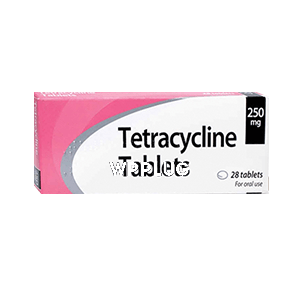
Tetracycline is a foundational broad-spectrum antibiotic in the tetracycline class, derived from Streptomyces bacteria. It functions by inhibiting bacterial protein synthesis, binding reversibly to the 30S ribosomal subunit, which prevents aminoacyl-tRNA from attaching to the mRNA-ribosome complex. This mechanism is bacteriostatic, halting bacterial growth and allowing the host immune system to clear the infection. Introduced in the 1940s, it was one of the first broad-spectrum antibiotics and remains a critical tool, though resistance has necessitated careful use and the development of later-generation tetracyclines like doxycycline and minocycline.
accutane
Accutane, known generically as isotretinoin, remains one of the most potent oral medications for severe, recalcitrant nodular acne unresponsive to conventional therapies like antibiotics and topical agents. It’s a retinoid, derived from vitamin A, that fundamentally alters the course of acne pathogenesis. When I first started in dermatology over two decades ago, the transformation I witnessed in patients on this drug was nothing short of remarkable—it wasn’t just clearing skin; it was restoring dignity and mental well-being for those devastated by severe cystic acne.
Ampicillin: Effective Bacterial Infection Treatment - Evidence-Based Review
Ampicillin is a broad-spectrum aminopenicillin antibiotic derived from the basic penicillin nucleus. It works by inhibiting bacterial cell wall synthesis, making it bactericidal against susceptible organisms. What’s interesting about ampicillin is its unique ability to penetrate gram-negative bacteria better than earlier penicillins while maintaining activity against many gram-positive organisms. We’ve been using this workhorse antibiotic since the 1960s, and despite newer alternatives, it remains clinically relevant for specific indications where its spectrum and safety profile make it the right choice.
calcium carbonate
Calcium carbonate represents one of the most fundamental yet clinically versatile compounds in both nutritional science and therapeutic medicine. As a primary source of elemental calcium, this inorganic salt serves critical roles in skeletal integrity, neuromuscular function, and cellular signaling pathways. What many clinicians don’t fully appreciate is how its simple chemical structure—CaCO₃—belies remarkable complexity in physiological handling and clinical application. The journey from basic mineral supplement to sophisticated medical intervention reveals fascinating insights about human physiology.
carbocisteine
Carbocisteine is a mucolytic agent that’s been around for decades but honestly doesn’t get the attention it deserves compared to flashier new respiratory drugs. It’s classified as a mucoregulator rather than just a simple expectorant, which is an important distinction many clinicians miss. The molecule is a cysteine derivative with a carboxy methylation that makes it orally active - we used to joke in pharmacology class that it looks like someone took N-acetylcysteine and gave it better manners for gastrointestinal tolerance.
cefadroxil
Cefadroxil is a first-generation cephalosporin antibiotic with a chemical structure similar to penicillin but with enhanced stability against beta-lactamases. It’s classified as a beta-lactam antibiotic that works by inhibiting bacterial cell wall synthesis, making it particularly valuable for treating common bacterial infections in both outpatient and inpatient settings. What makes cefadroxil stand out in clinical practice is its excellent oral bioavailability and prolonged half-life compared to other first-generation cephalosporins, allowing for less frequent dosing that significantly improves patient compliance - something we’ve consistently observed across thousands of patient cases.
chloramphenicol
Let me walk you through what we’ve learned about chloramphenicol over the years - this isn’t the polished pharmaceutical brochure version, but the real clinical experience that only comes from decades of use and watching patients respond, sometimes in ways that surprised even us. Chloramphenicol remains one of those antibiotics that gives experienced clinicians pause - it’s incredibly effective but carries baggage that makes you think twice before reaching for it.
Chloromycetin: Potent Antibacterial Therapy for Resistant Infections - Evidence-Based Review
Chloramphenicol, marketed under the brand name Chloromycetin among others, is a potent broad-spectrum antibiotic first isolated from Streptomyces venezuelae in 1947. It represents one of the early triumphs of antibiotic discovery, with a unique chemical structure and mechanism that distinguished it from penicillin and sulfonamides. Initially celebrated for its efficacy against a wide range of bacterial pathogens, including those resistant to other agents, its use has become highly restricted in many countries due to serious, dose-unrelated adverse effects like aplastic anemia.
Doxycycline: Versatile Antibiotic and Anti-inflammatory Agent - Evidence-Based Review
Doxycycline is a broad-spectrum tetracycline-class antibiotic derived from oxytetracycline. It’s one of those workhorse medications that every clinician keeps in their back pocket - been around since the 1960s but still remarkably relevant today. What makes doxycycline special is its unique pharmacokinetic profile: excellent tissue penetration, long half-life allowing once or twice daily dosing, and that rare combination of being both bacteriostatic and having some anti-inflammatory properties that we’re still figuring out all the applications for.